Illuminati History Archive · Published 2026-10-09 · Updated 2026-10-09 · 9 min
How to Read Primary Sources on the Illuminati
Every document about the Illuminati was written by someone, for someone, for a reason. Start there.
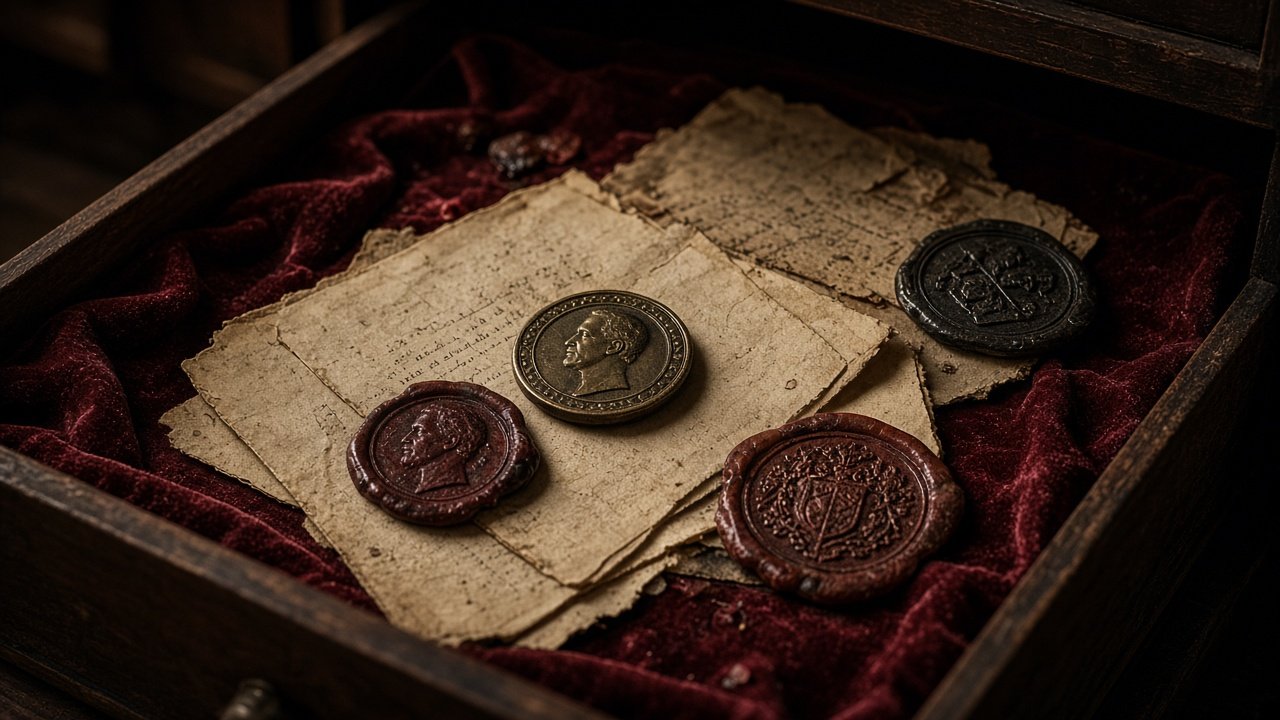
A practical guide to evaluating Illuminati documents, edicts, polemics, and online quotations, with questions historians ask of every source.
What counts as a primary source
A primary source was produced during the period being studied or by people directly involved. For the Bavarian Illuminati this includes government edicts of 1784–1785, members’ letters and internal papers, Weishaupt’s published defenses such as the Apologie der Illuminaten (1786), and contemporary hostile pamphlets.
Secondary sources are later analyses by historians that interpret those materials. Both matter; they answer different questions.
The seized papers
Much of what is known about the order’s internal life comes from papers seized in police searches, including the 1786 search of the house of the official Franz Xaver von Zwack, and published by the Bavarian government in 1787 as Einige Originalschriften des Illuminatenordens. The documents are genuine historical evidence, but they were published by the order’s opponents in order to discredit it. Selection and framing deserve as much attention as content.
Five questions to ask any source
Who wrote it, and what position were they in? When was it written, and how long after the events? Who was the intended audience? Why was it written or published: to inform, defend, accuse, or sell? And has it been translated, excerpted, or quoted out of context?
A polemic like Barruel’s Mémoires answers these questions very differently from a government edict or a private letter, even when all three discuss the same people.
Red flags in online quotations
Many “Illuminati quotes” circulating online have no traceable origin. Be cautious of quotations with no title, date, or page; images of text without a source; and claims that a document is “secret” yet available only on social media. Misattributed and invented quotations spread far faster than corrections.
If a quotation matters to an argument, trace it to a printed edition or a library catalogue. If it cannot be traced, do not rely on it.
Sources
- Einige Originalschriften des Illuminatenordens — Published by the Bavarian government — 1787
- Writings and apologies of Adam Weishaupt — Adam Weishaupt — 1780s–1790s
- Memoirs Illustrating the History of Jacobinism — Augustin Barruel — 1797–1798
- University guides to the Enlightenment — University history departments and digital libraries
For more encyclopedic and scholarly starting points, see the sources directory. Cross-check claims against primary materials and reference works rather than unverifiable social-media posts.