01
Founded 1776
Weishaupt established the Order of the Illuminati in Bavaria with graded instruction and Enlightenment-inspired aims.
Learn more →Educational archive — not an official organization, membership portal, or recruitment site.
About this project
Independent educational archive
Explore the documented history of the Bavarian Illuminati, its historical context, enduring symbols, and the modern myths and scams that surround its name.
Not an official organization. No membership, no recruitment, no fees.
Start here
This archive separates what historians can document about the Bavarian Illuminati from later myths, entertainment tropes, and online recruitment scams that reuse the name.
Explore
Jump to documented history, symbols in context, myths versus evidence, and scam-awareness guidance.

Material culture
Museum-style still lifes of ledgers, seals, and research objects—presented as educational visuals, not as proof of a living secret society.

Documented history
A short-lived Enlightenment-era secret society founded in Ingolstadt in 1776 by Adam Weishaupt, suppressed by Bavarian authorities in the mid-1780s.
01
02
03
At a glance
Selected documented milestones. Open the full interactive timeline for expandable detail.

1776
Foundation of the Bavarian Illuminati
On 1 May 1776, Weishaupt founds the Order of the Illuminati (Illuminatenorden) in Ingolstadt.
1784
First Bavarian suppression edict
Bavarian Elector Karl Theodor issues measures targeting secret societies.
1785
Further decrees and effective dissolution
Additional edicts and prosecutions effectively end organized Illuminati activity in Bavaria.
1790s
Conspiracy literature after the French Revolution
Writers such as Augustin Barruel and John Robison popularize claims linking the Illuminati to revolutionary upheaval.
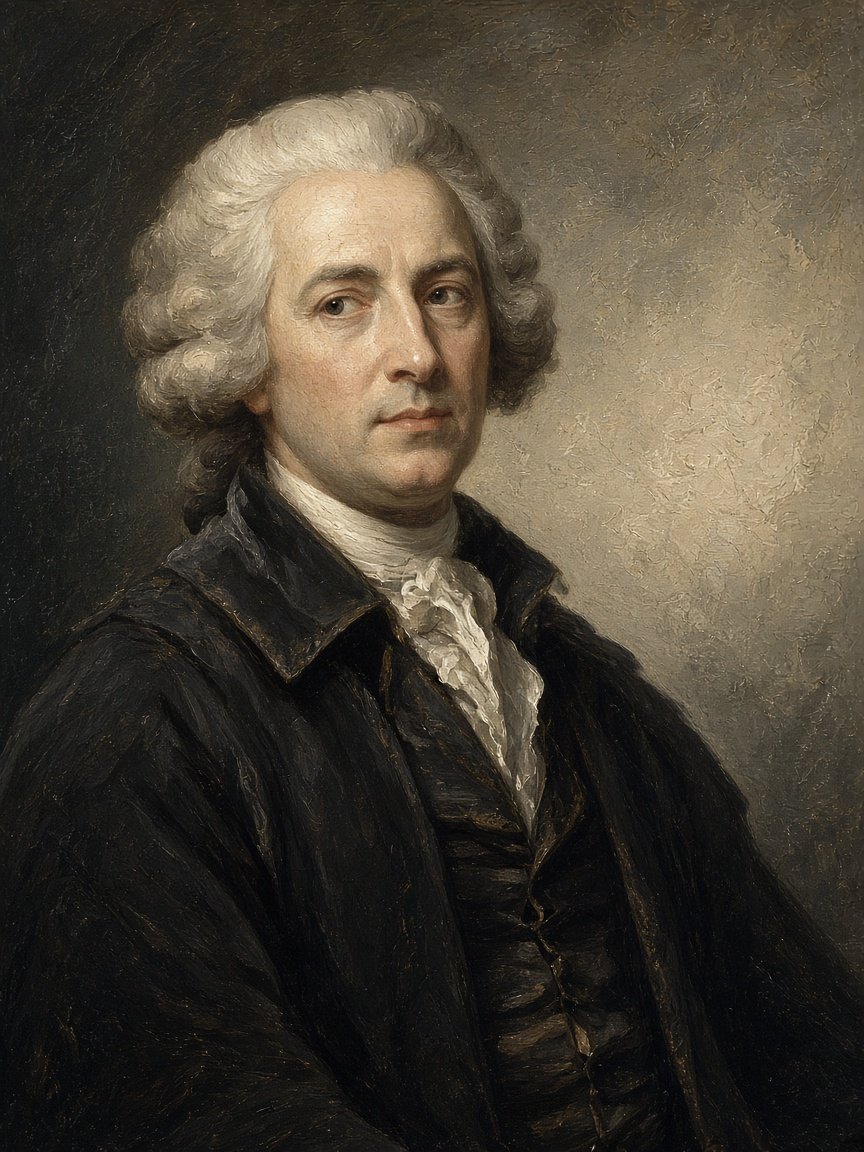
Founder
Professor of law at Ingolstadt and founder of the Bavarian Illuminati. Later exile and a contested reputation shaped how his life is remembered.
Weishaupt’s biography belongs to documented intellectual history. Later conspiracy literature often magnified him far beyond what surviving records support.
Read the biography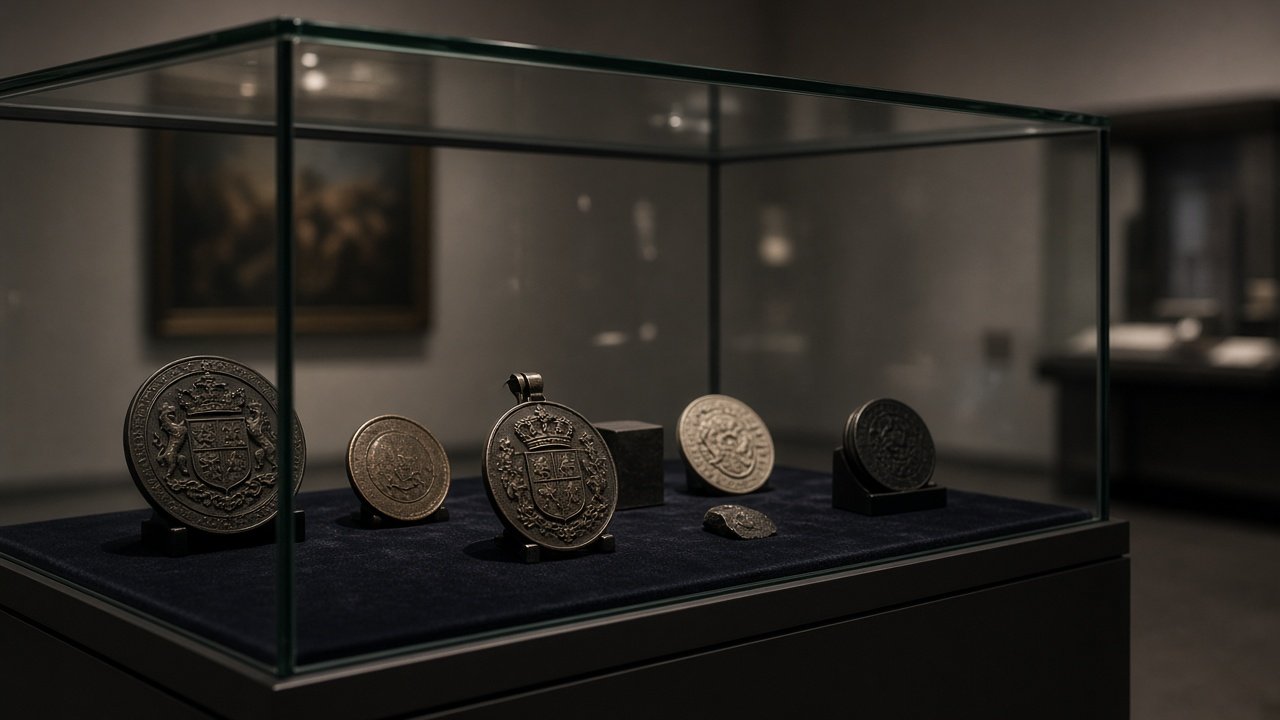
Iconography
Separate documented and contextual symbolism from later popular-culture attributions such as pyramid-and-eye decoding.
Shared visual motifs across civic, religious, and fraternal traditions do not by themselves prove Illuminati institutional identity.
Explore symbols →Critical reading
The historical order was real. Many modern claims about continuous global control are not established by evidence.
Myth
The Illuminati controls the modern world.
Fact / historical context
No credible body of historical evidence establishes that the short-lived Bavarian Illuminati of 1776–1785 survived as a continuous global controlling organization. Modern political and economic complexity is not explained by that claim.
Myth
The modern Illuminati is the same organization founded in 1776.
Fact / historical context
The Bavarian order was suppressed in the mid-1780s. Later groups, brands, and online claims that reuse the name are not the same documented historical institution. Continuity would require verifiable institutional evidence that has not been established.


Stay safe
Unsolicited offers of secret membership in exchange for money or personal data are a documented fraud pattern.
Educational articles with sources and clear distinctions between history and modern claims.

2025-01-15 · 8 min
The Illuminati began as a documented Enlightenment-era society in Bavaria—not as the global cabal of modern myth.
Read article →
2025-01-20 · 10 min
From Weishaupt’s founding to Bavarian suppression—and the separate afterlife of Illuminati myths.
Read article →
2025-02-01 · 7 min
Weishaupt was a Bavarian academic whose short-lived order outlived him mainly as legend.
Read article →