Illuminati History Archive · Published 2026-10-09 · Updated 2026-10-09 · 8 min
The 1798 Illuminati Panic in New England
Twelve years after the Bavarian order was suppressed, New England clergy warned that the Illuminati threatened the United States.
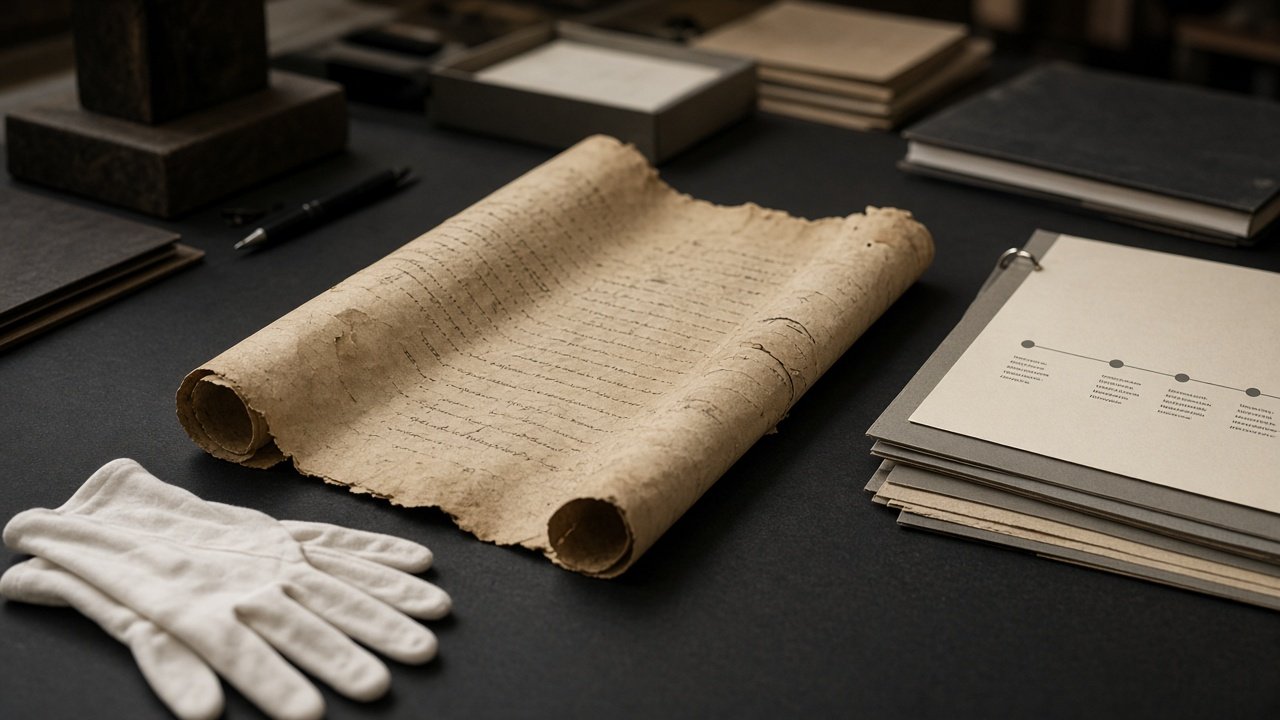
How Robison’s book, Federalist politics, and fear of revolutionary France produced an Illuminati scare in the early United States.
A sermon on a fast day
In 1798 the United States was in an undeclared naval conflict with France and bitterly divided between Federalists and Democratic-Republicans. On 9 May 1798, a national fast day proclaimed by President John Adams, the Congregationalist minister Jedidiah Morse of Charlestown, Massachusetts, preached a sermon that drew on Robison’s Proofs of a Conspiracy and warned of Illuminati designs against religion and government.
Dwight and the Federalist clergy
Timothy Dwight, president of Yale, amplified the warning in his Fourth of July address, The Duty of Americans, at the Present Crisis (1798). For Federalist clergy, the Illuminati became a way to describe what they saw as the spread of French revolutionary irreligion, and critics noted that the charge was often aimed at Jeffersonian opponents.
Evidence and pushback
Morse later claimed to have evidence of French-linked Masonic activity in the United States. Critics at the time argued that nothing he produced demonstrated an Illuminati organization at work in America. In correspondence in late 1798, George Washington wrote that he did not doubt Illuminati doctrines had spread, while expressing confidence that American Masonic lodges were not engaged in such designs.
Why it matters
The scare faded within a few years, but it established an American template for Illuminati claims: imported texts, intense political polarization, and accusations that outran the evidence. Vernon Stauffer’s 1918 study remains the classic scholarly account.
Sources
- New England and the Bavarian Illuminati — Vernon Stauffer — 1918
- Proofs of a Conspiracy — John Robison — 1797
- The Duty of Americans, at the Present Crisis — Timothy Dwight — 1798
- Sermons on the Illuminati, 1798–1799 — Jedidiah Morse — 1798–1799
For more encyclopedic and scholarly starting points, see the sources directory. Cross-check claims against primary materials and reference works rather than unverifiable social-media posts.